
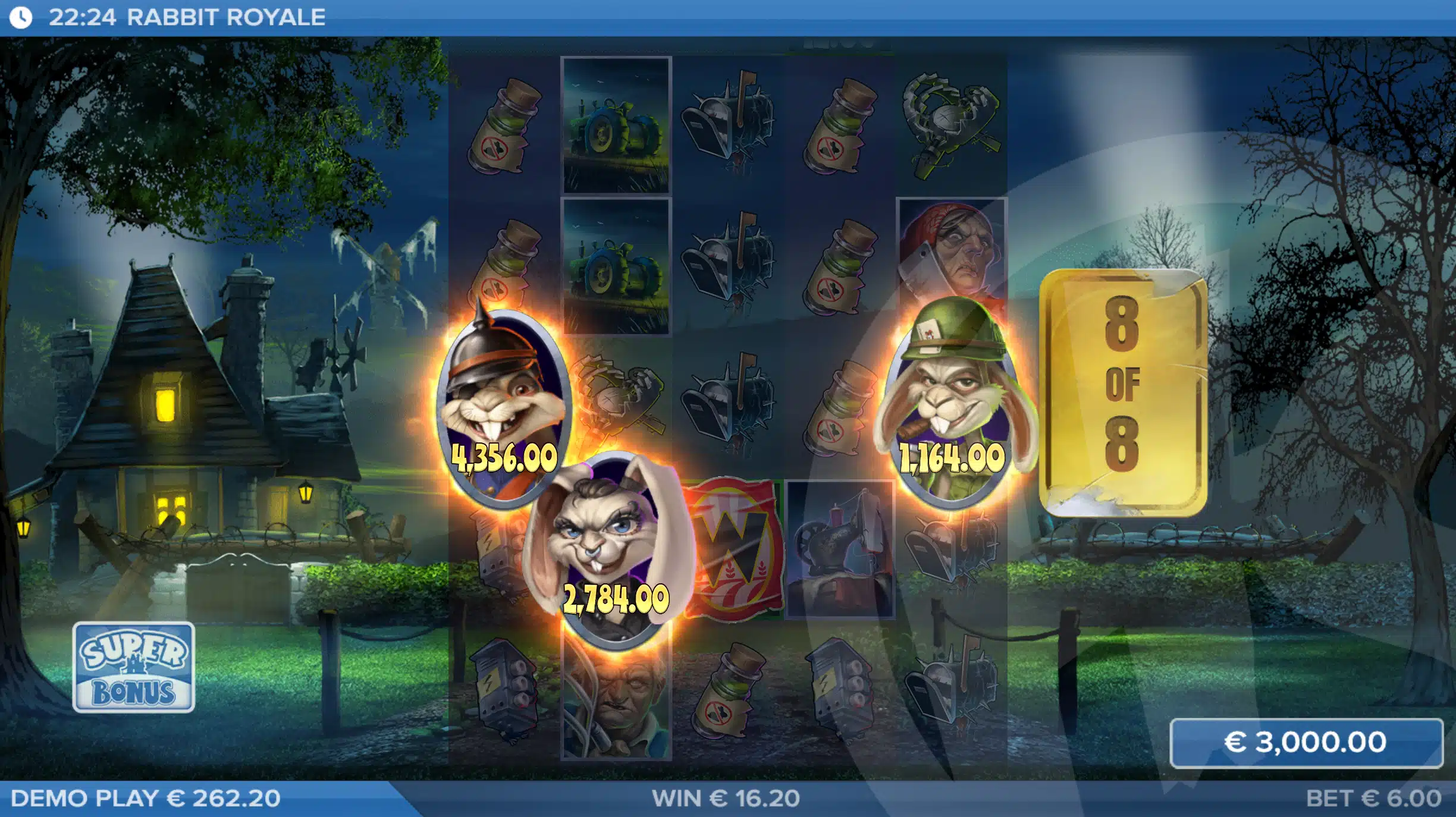
In examining the past information access of the Rabbit Road game archives in the UK, we uncover significant insights into the game’s evolution. These archives offer a rich repository of cultural and creative narratives, reflecting player engagements over time. By analyzing the varied materials available, we can better appreciate the game’s ongoing legacy and its influence on modern gaming culture. What might these findings reveal about our shared gaming history?
Key Takeaways
- The UK Game Archives provide essential historical data on games like Rabbit Road, supporting study in storytelling and gameplay mechanics.
- Entering the archives often requires awareness of available formats and possible obstacles to reveal pertinent historical insights.
- A well organized study plan enhances the effectiveness of information gathering from Rabbit Road’s historical content in the archives.
- Collaboration with fellow researchers can deepen understanding of Rabbit Road’s influence within the broader framework of gaming history.
- Distant entry to archives and new technologies aid the investigation of Rabbit Road’s development and cultural significance.
The Origins of Rabbit Road
The roots of Rabbit Road can be linked to the late 20th century, a period when game development began to adopt narrative complexity and engaging worlds. As we investigate the thematic elements of the game, we can’t overlook the significant rabbit symbolism embedded in its fabric. In different cultures, rabbits often symbolize fertility, alteration, and agility, reflecting the lively gameplay and evolving story arcs that characterize Rabbit Road. This cultural importance becomes a framework through which we can better grasp character motivations and plot development. By including rabbit symbolism, Rabbit Road invites players to engage with the narrative on a richer level, crafting a unique experience that connects across varied backgrounds and encourages thoughtful assessment of its multifaceted world.
Development of Game Design
As we investigate the evolution of game design, we can notice how early game mechanics laid the groundwork for more advanced experiences. Technological advancements have not only extended the boundaries of what’s possible but also affected how narratives are effortlessly woven into gameplay. By studying these developments, we gain knowledge into the dynamic interplay between mechanics, technology, and storytelling in games.
Early Game Mechanics
While exploring the evolution of game design, we cannot overlook the impact of early game mechanics that established the foundational principles for modern titles. These early game experiences focused on simplicity and accessibility, leveraging fundamental human psychology. Through our mechanics analysis, we see that games often concentrated on clear goals, compensating players for mastery of tasks. Elements like point accumulation and turn-taking arose, creating a structure for competition and collaboration. This interaction helped developers refine their understanding of player engagement, leading to improvements in narrative and structure. As we consider these initial innovations, it’s evident they not only shaped gameplay but also prepared the ground for the complexities we now enjoy in contemporary gaming experiences.
Technological Advancements Impact
With the swift pace of technological advancements, we’ve seen a significant alteration in game design, changing not just how games are played but also how they are created. Game technology has evolved dramatically, enabling developers to explore intricate graphics, immersive environments, and complex physics. These innovations nurture unique gameplay experiences that were once unimaginable. Additionally, the rise of digital preservation techniques secures classic games, ensuring that their legacies continue amid constant change. This commitment to preserving our gaming heritage permits us to reflect on the past while embracing the future. Ultimately, as technology continues to progress, we’re made aware that good design not only utilizes these tools but also adjusts to the ever-changing environment, enriching the industry’s fabric.
Narrative Integration Strategies
The progress in tech have paved the way for more advanced story integration strategies in gaming design. Today, we often see games blending storytelling seamlessly with interactive elements, boosting story immersion. By leveraging user-driven choices and diverging plots, creators can maintain high levels of gamer involvement throughout the gaming experience. These strategies encourage players to examine narratives deeply, promoting a sense of commitment in persona development and storyline advancement.

Furthermore, the incorporation of dynamic conversation systems allows games to adjust to gamer choices, reinforcing immersion through significant interactions. As we anticipate the future, it’s essential to persist in enhancing these strategies, making sure that narratives resonate deeply with players while making every choice significant within the game universe’s world.
Notable Player Statistics
As we investigate notable gamer statistics, it is crucial to acknowledge how these figures not only indicate individual achievements but also influence group interactions and tactics. By examining gamer records, we uncover important insights into previous achievements and their effect on match history.
Consider these key statistics that are notable:
- Scoring Average
- Assists and Playmaking
- Defensive Contributions
These measures serve as a basis for comprehending how personal prowess shapes the collective effort in rival environments.
Winning Strategies Through the Years
Analyzing player statistics not only enhances our understanding of personal roles but also illuminates wider winning tactics that have developed in the game. Over the years, we’ve witnessed how winning tactics have advanced, often affected by shifts in player mindset. Initially, the emphasis was on raw skill and strategy, but as the game progressed, we learned that enhancing team interactions and communication greatly impacts outcomes. Today’s winning teams integrate statistical perspectives to form their tactics, adapting to opponents’ vulnerabilities while cultivating a psychological advantage. By understanding these aspects, we can refine our methods and remain competitive in the ever-changing landscape of competitive play. This fusion of data analysis and psychological perspectives enables us to continually improve our winning strategies.
Nostalgia and Its Impact on Gaming Culture
As we explore nostalgia’s influence in gaming culture, we see how our shared memories influence wikidata.org the industry today. Retro impact on design has formed a vibrant fabric where past and present merge, reminding us of simpler times while fueling innovation. By understanding this connection, we can better appreciate how memories influence the decisions we make as gamers and creators equally.
Memory’s Influence in Gaming
While many might consider gaming a purely modern trend, it’s the nostalgic memories linked with classic titles that shape our contemporary gaming culture. Our shared experiences connect us to certain games, impacting memory preservation and cognitive involvement. Here are three ways this nostalgia influences us:
- Emotional Connections
In this way, memory plays a crucial part in shaping our gaming experiences.
Retro Influence on Design
Nostalgia significantly shapes not only our memories of gaming but also the design elements of contemporary titles. As we explore retro styles, it’s evident that they impact contemporary game design concepts. Game developers often take inspiration from the blocky graphics and 8-bit music of the past, forming a bridge between old and new. This mixing stirs warm memories, allowing us to feel linked to previous gaming experiences. We see how color schemes, simplified mechanics, and 8-bit sounds foster a feeling of nostalgia, inviting players into known territories. By understanding these influences, we can appreciate how retro elements are not simple gimmicks; they’re foundational to creating immersive experiences that resonate with a broad audience. Retro design affects our gaming culture, enhancing it with layered meanings.
Accessing the Archives for Research and Exploration
Although scholars and fans alike often seek the abundant history contained within the UK Game Archives, rabbit road game gamstop casino, reaching these materials can sometimes seem intimidating. To ease our exploration, we should concentrate on:
- Archive Accessibility
- Research Methodologies
Frequently Asked Questions
How Can I Submit My Own Rabbit Road Game Memories?
To submit your rabbit road game memories, you can share our experiences through specified platforms, guaranteeing one’s reflections are documented for others. Memory submission supports community and enhances the collective understanding of the game’s impact.

Are There Any Planned Future Events Related to Rabbit Road?
There are looking forward to planned future events related to Rabbit Road, highlighting future expansions and community collaborations. Participating with fellow enthusiasts will enrich one’s experiences and expand our understanding of this beloved game’s evolving scenery.
Who Were the Primary Developers Behind Rabbit Road?
There have examined the primary developers of Rabbit Road, showcasing their groundbreaking game mechanics. Their views into development showcased a strong commitment to engaging gameplay, leaving a lasting impact on both players and the gaming community.
Are There Any Online Forums for Rabbit Road Enthusiasts?
Yes, you can find several online forums dedicated to the Rabbit Road community. These spaces give invaluable insights into game strategy, where you can discuss tactics, share tips, and connect with fellow enthusiasts.
What Are the Most Collectible Rabbit Road Merchandise Items?
We’ve noticed that rare collectibles, like vintage game pieces and promotional items, hold significant merchandise value among enthusiasts. Examining market trends can help one identify which items are most sought after in the collector community.
